Hot-Tire Pickup Resistant
Two-component systems that stay bonded where hot tires sit, instead of lifting and peeling like consumer epoxy kits.
An automotive shop floor sees things almost nothing else does: hot tires parked on the same spot for hours, dropped tools, oil and brake fluid, and jack stands loaded with several tons. Our automotive shop epoxy flooring in San Antonio is specified for exactly that duty cycle — industrial-grade, two-component systems with hot-tire pickup resistance, so the coating stays bonded instead of lifting where the tires sit. As an auto shop flooring contractor in Texas, we install oil-resistant epoxy for service bays that wipes clean between jobs, and we prep every slab by diamond grinding first so the finish holds under real shop conditions.
Built For Automotive Shops
Shop floors fail at the tire contact patch and the drain line first — both are prep and product-selection problems.
Two-component systems that stay bonded where hot tires sit, instead of lifting and peeling like consumer epoxy kits.
Resists motor oil, brake fluid, coolant, and solvents so spills wipe clean rather than soaking into the slab.
Handles dropped tools, jack stands, and lift posts without chipping or cracking through to the concrete.
Rapid-cure options and bay-by-bay phasing so you keep earning while the floor goes in.
Bay markings, walkways, and equipment zones striped as part of the coating system.
A high-gloss floor bounces light back into the bay, making detail work easier and the shop look sharper.
Where This System Fits
Oil- and solvent-resistant flooring built around lifts and daily fluid changes.
High-turnover bays that need traction and fast, easy cleanup between vehicles.
Customer-facing finishes that stay presentable under constant vehicle traffic.
Chemical-resistant, easy-clean surfaces for prep, sanding, and finishing areas.
Heavy-load systems rated for trucks, trailers, and shop equipment.
Fully sealed, slip-resistant flooring for constant-moisture zones.
Recommended Systems
We’ll confirm the right system during your site visit — here’s where most automotive projects start.
The standard for service bays — industrial-grade, hot-tire resistant, and built to shrug off oil and solvents.
See Epoxy Flooring →Ultra-durable, fast-curing topcoats when you need bays back in service quickly.
See Solid Color Coatings →For shop slabs already cracked or spalled from years of service, an overlay rebuilds the surface before coating.
See Concrete Overlay →Automotive Shop Projects
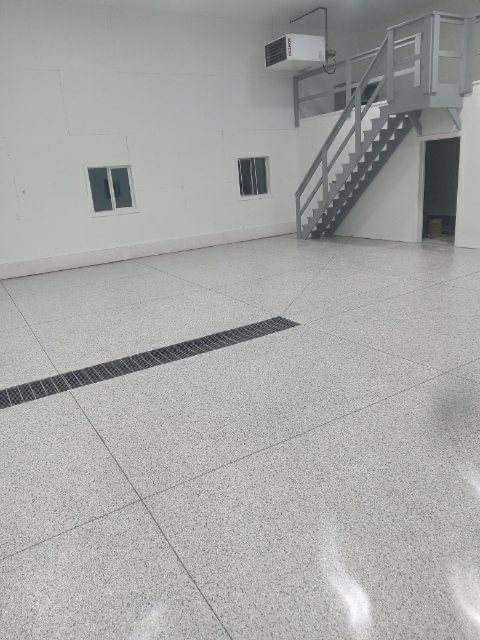
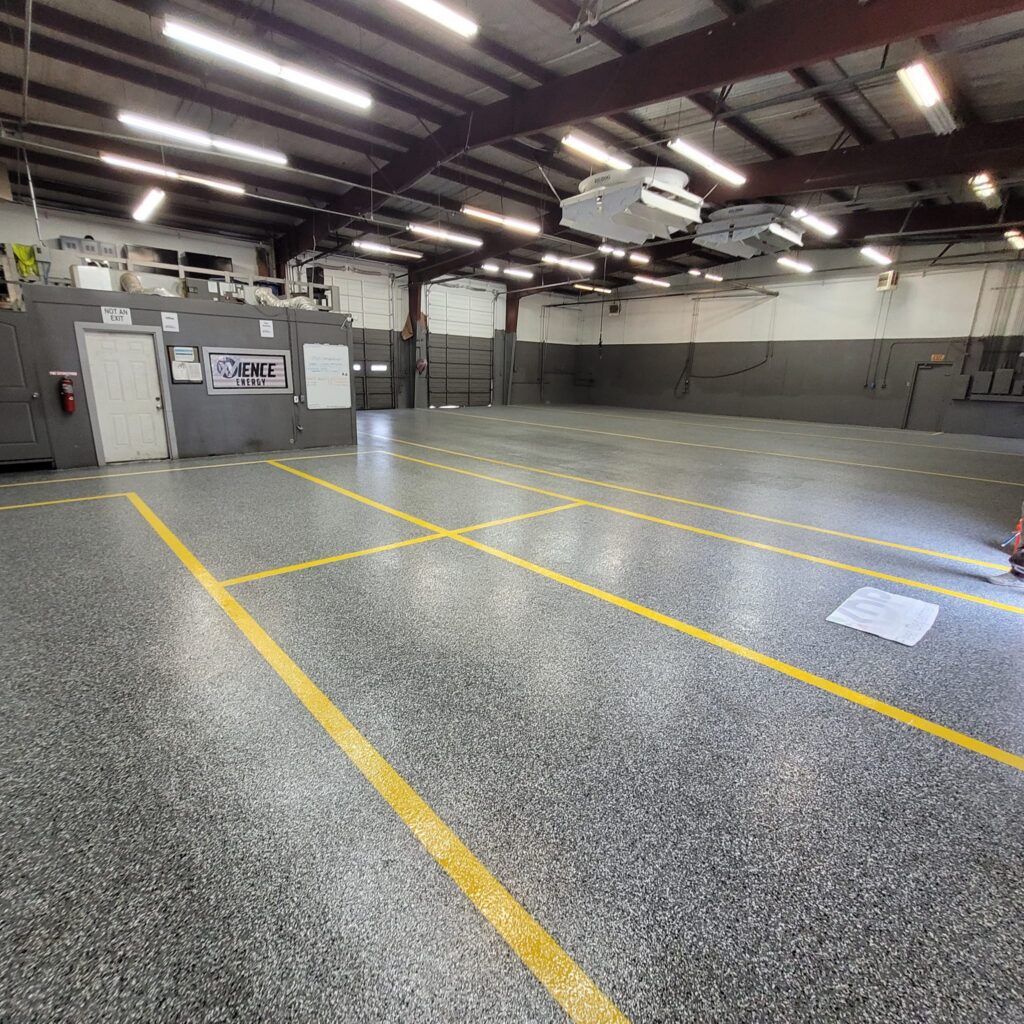
A sample of service bay, shop, and automotive facility installs completed by CB1 Specialty Concrete across San Antonio and nearby cities.


Our Process
Submit your facility details and we’ll confirm scope and timing.
We inspect the slab and give a clear, formal bid — no surprises.
Diamond grind, repair as needed, then install on your schedule.
We quality-check every bay before handing the shop back.
FAQ
Not with the systems we install. Hot-tire pickup is what destroys consumer-grade epoxy kits; our industrial two-component systems are specified for hot-tire resistance and bonded to a diamond-ground slab so they stay put.
Yes. Our automotive systems are chemical- and oil-resistant, so fluids sit on the surface and wipe clean instead of soaking into the concrete and staining it permanently.
Usually not. We phase the work bay by bay, or schedule around off-hours and weekends, so most shops keep at least part of their operation running throughout.
Oil-saturated concrete is degreased and mechanically prepped before coating, and cracks or spalling are repaired first. Badly deteriorated slabs may call for a concrete overlay, which we’ll flag during the site visit.
Commercial shop projects typically run $6,000–$15,000+, depending on square footage, floor condition, and system selected. Request a bid for an exact quote.
Hot-tire rated systems. Licensed, insured, bonded. Fast turnaround on quotes.