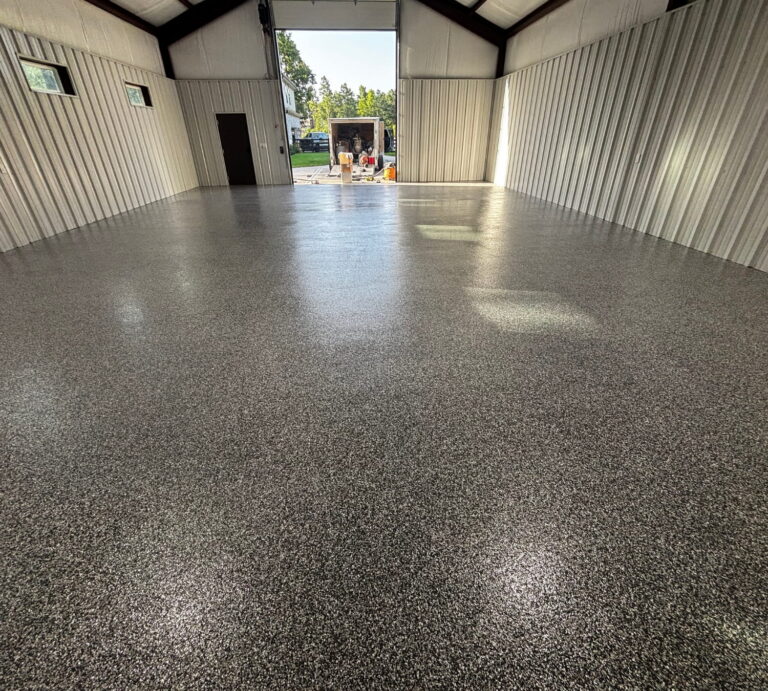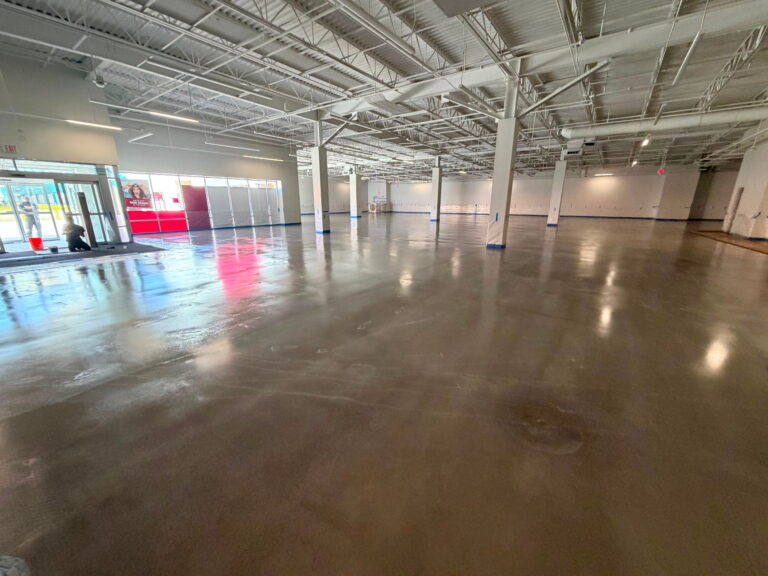
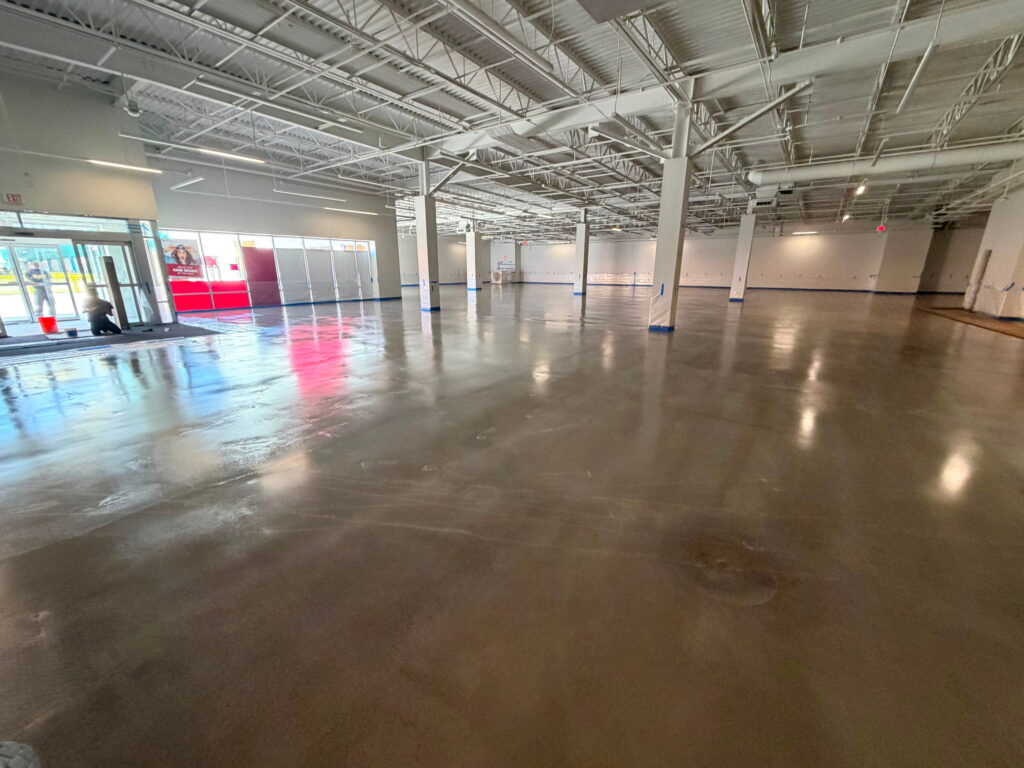
A manufacturing floor that doesn’t meet OSHA standards isn’t just a regulatory problem — it’s a daily safety risk for every person working on it. In San Antonio‘s growing manufacturing sector, from the automotive suppliers along I-35 to the aerospace and defense contractors near Lackland, facility managers and EHS teams are held accountable for floor condition, marking compliance, and zone safety. The right coating system addresses all of these simultaneously — while also reducing housekeeping costs, improving lighting through reflectivity, and giving the facility the professional appearance that matters during customer audits and facility tours.
OSHA Requirements for Manufacturing Floors
OSHA 29 CFR 1910.22 establishes requirements for all workplaces including manufacturing facilities. The key requirements relevant to floor condition and marking include: floors must be maintained in clean and dry condition; floors must be free of protruding nails, splinters, holes, or loose boards; aisles and passageways must be sufficient in width and kept clear; and permanent aisles and passageways must be appropriately marked. These aren’t aspirational — they’re enforceable standards that carry citation risk during inspections.
OSHA Line Marking Color Standards
| Color | OSHA / ANSI Application | Common Manufacturing Use |
|---|---|---|
| Yellow | Caution, physical hazards, aisle boundaries | Forklift lanes, pedestrian aisles, equipment boundaries |
| White | General marking, work cells, storage areas | Workstation boundaries, parts staging areas |
| Red | Fire protection equipment, emergency stop buttons | Fire extinguisher zones, emergency equipment areas |
| Orange | Dangerous parts of machines, exposed hazards | Machine guarding zones, pinch points |
| Green | Safety, first aid | First aid stations, emergency exits, safety equipment |
| Blue | Informational, caution against inadvertent operation | Equipment lockout points, informational zones |
The Safety-Productivity Connection
Clean, well-marked, well-maintained manufacturing floors don’t just satisfy inspectors — they improve productivity. Studies in lean manufacturing and workplace ergonomics consistently show that organized, visually clear facilities have higher throughput, fewer errors, and lower injury rates than cluttered, unmarked facilities. A floor marking system is the foundation of 5S workplace organization: Sort, Set in order, Shine, Standardize, Sustain. CB1 works with plant managers and EHS teams to develop floor marking layouts that support both compliance and operational efficiency.
Selecting the Right Coating System for Your Process
The chemical and mechanical exposures in a manufacturing environment determine the coating system. General assembly and light manufacturing can use a standard high-build epoxy with polyaspartic topcoat. Metal fabrication and heavy machining areas need broadcast aggregate systems to handle cutting fluid, coolant, and abrasion from metal swarf. Chemical processing and plating operations require novolac epoxy formulations with documented resistance to the specific chemicals in use. CB1 conducts a zone-by-zone exposure assessment and provides the chemical resistance data for every system recommended.
Frequently Asked Questions
What line marking width does OSHA require for manufacturing aisles?
OSHA requires aisles to be at least 3 feet wider than the largest equipment used in the aisle, with a minimum of 28 inches for pedestrian-only aisles. Industry best practice for line marking width is 2–4 inches for aisle boundaries, with 4–6 inch lines for primary forklift lanes. CB1 follows both OSHA minimums and industry best practices unless the client specifies otherwise.
How often should manufacturing floor coatings be inspected for compliance?
OSHA requires regular inspection as part of general housekeeping standards. Internal inspections quarterly are standard practice for ISO-certified facilities. Areas with heavy forklift traffic, dock approaches, and chemical exposure zones should be checked more frequently. CB1 provides a maintenance log template to clients after installation.
Can a coating be applied to a manufacturing floor with active machinery in place?
Yes, with careful coordination. Fixed machinery is masked and protected. The floor under equipment that cannot be moved is coated after repositioning or through removable floor protection. CB1 has experience installing around active production equipment and will develop a detailed access plan with your facilities team.
How much does manufacturing floor coating downtime cost, and how does CB1 minimize it?
Downtime costs vary by facility. CB1 minimizes it through phased installation (coating half the facility at a time), fast-cure system selection where schedules demand it, and overnight and weekend scheduling. A typical 20,000 sq ft manufacturing floor can be coated in 5–7 days with phased access.
Ready to transform your concrete? Get a free, no-pressure estimate from CB1 Specialty Concrete — San Antonio’s prep-first epoxy and polished-concrete experts, backed by a 15-year warranty.
REQUEST A FREE ESTIMATE
Free Estimate
Want this floor in your space?
We measure, inspect the slab, and give you a real number — no obligation.